
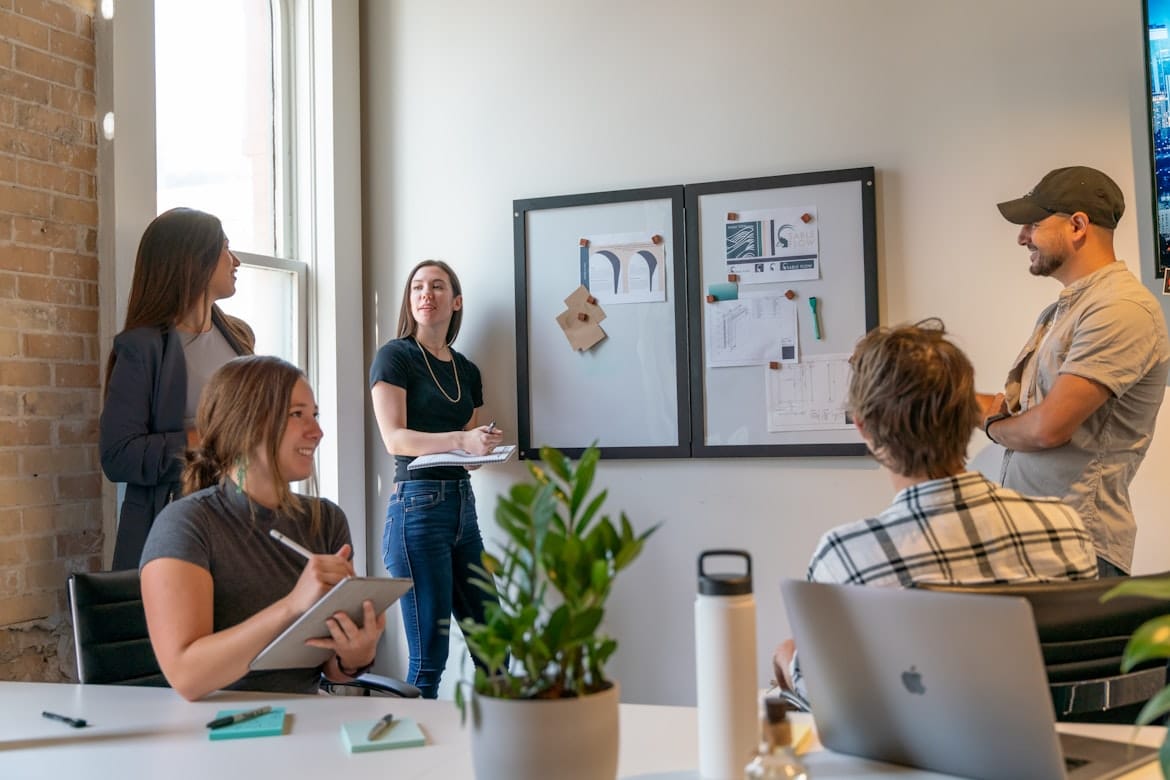
Creativity Is a Skill, Not a Talent
Many people believe creativity is something you're born with. In reality, creative thinking is a skill that can be developed through curiosity, observation, and consistent practice. Designers, entrepreneurs, engineers, teachers, and business leaders all rely on creative thinking to solve problems and improve the world around them.
Creativity isn't about having unusual ideas—it’s about finding practical solutions from fresh perspectives. Whether you're designing a product, organizing your workspace, or solving a business challenge, creative thinking helps uncover opportunities that traditional approaches often miss.
What Is Creative Thinking?
Creative thinking is the ability to generate original ideas and approach challenges in new ways.
It often involves:
- Asking better questions
- Exploring multiple solutions
- Challenging assumptions
- Connecting unrelated ideas
- Experimenting without fear
- Learning through feedback
Rather than accepting the first solution, creative thinkers remain open to possibilities.
Why Creativity Matters
In today's rapidly changing world, creativity has become one of the most valuable professional skills.
Creative thinking helps people:
- Solve complex problems
- Improve communication
- Adapt to change
- Develop innovative products
- Increase productivity
- Build stronger collaboration
Organizations that encourage creativity often become more competitive and resilient.
Observe Before You Create
Great ideas usually begin with careful observation.
Designers often study:
- User behavior
- Everyday routines
- Customer feedback
- Market trends
- Environmental factors
- Existing solutions
Understanding the problem deeply leads to more meaningful and effective solutions.
Embrace the Design Thinking Process
Design thinking provides a structured approach to creative problem-solving.
The process typically includes:
- Understand the problem
- Research user needs
- Generate ideas
- Build simple prototypes
- Test with users
- Refine and improve
This iterative approach encourages learning through experimentation rather than striving for perfection on the first attempt.
Create an Environment That Inspires Ideas
Your surroundings can significantly influence creativity.
Many creative professionals improve focus by:
- Keeping workspaces organized
- Using natural light
- Reducing distractions
- Displaying inspiring visuals
- Taking regular breaks
- Collaborating with others
A comfortable environment allows ideas to develop more naturally.
Don't Fear Failure
Innovation rarely happens without experimentation.
Many successful ideas emerge after multiple unsuccessful attempts.
Creative professionals understand that:
- Every mistake teaches something valuable
- Feedback improves ideas
- Early prototypes are meant to evolve
- Progress matters more than perfection
Viewing failure as part of the learning process encourages continuous improvement.
Collaboration Sparks Innovation
Some of the best ideas come from diverse perspectives.
Working with others helps generate:
- Fresh viewpoints
- Better discussions
- Faster problem-solving
- More balanced decisions
- Innovative solutions
- Stronger outcomes
Collaboration transforms individual creativity into collective innovation.
Build Daily Creative Habits
Creativity grows through consistent practice rather than occasional inspiration.
Simple habits include:
- Reading regularly
- Sketching ideas
- Keeping a notebook
- Exploring new experiences
- Asking "What if?"
- Reflecting on completed projects
Small daily practices strengthen creative confidence over time.
The Future of Creativity
Technology is changing how people create, but human imagination remains irreplaceable.
Emerging trends include:
- AI-assisted design tools
- Generative creativity
- Collaborative digital workspaces
- Virtual reality design
- Sustainable innovation
- Human-centered product development
The future belongs to creators who combine technology with empathy, critical thinking, and originality.
Final Thoughts
Creative thinking is one of the most valuable skills anyone can develop. It empowers people to approach challenges with curiosity, discover innovative solutions, and continuously improve the world around them. Whether you're a designer, entrepreneur, student, or professional, creativity isn't reserved for a select few—it’s a mindset that grows through observation, experimentation, and lifelong learning. By embracing new ideas and staying open to different perspectives, anyone can unlock their creative potential and solve everyday problems in meaningful ways.