
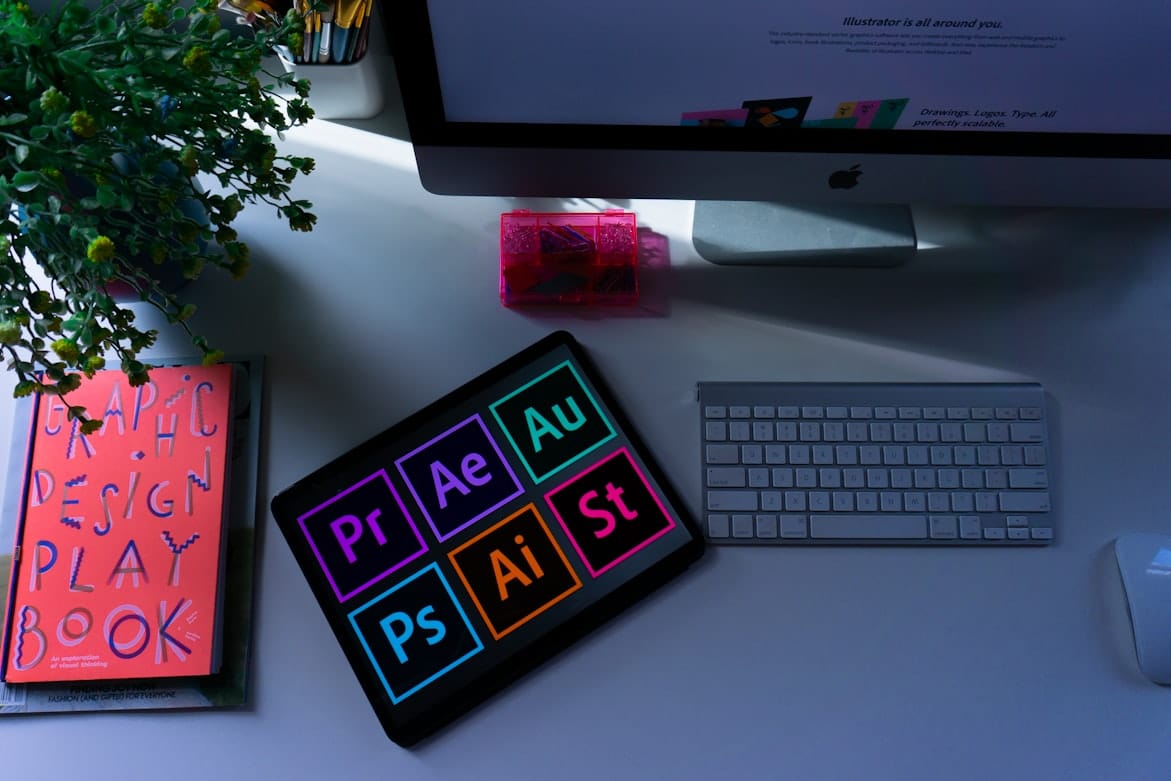
The Future of Digital Design
Digital design is constantly evolving. As technology advances and user expectations grow, designers must rethink how people interact with websites, mobile applications, and digital products. Modern users expect experiences that are fast, intuitive, accessible, and visually engaging across every device.
The design trends emerging in 2026 focus less on decoration and more on creating meaningful interactions. Simplicity, personalization, and usability are becoming the foundation of successful digital products.
User-Centered Design Comes First
Today's designers prioritize user needs before visual aesthetics.
Successful products begin with questions like:
- Who is using this product?
- What problem does it solve?
- How can interactions become easier?
- What barriers exist?
- How can the experience feel more natural?
Design decisions based on real user behavior lead to products that people enjoy using.
AI-Powered User Experiences
Artificial intelligence is transforming digital design by making interfaces more adaptive and personalized.
AI is helping products deliver:
- Personalized recommendations
- Smart search results
- Predictive text
- Intelligent chat assistants
- Automated content suggestions
- Adaptive user interfaces
Rather than replacing designers, AI supports better decision-making and more personalized experiences.
Minimalism Continues to Evolve
Minimal design remains popular because it improves usability while reducing distractions.
Modern minimalism focuses on:
- Clean layouts
- Generous white space
- Clear typography
- Meaningful imagery
- Simple navigation
- Focused content
Every visual element should serve a clear purpose.
Accessibility Is Becoming Essential
Inclusive design is no longer optional.
Digital products are increasingly built to support users with different abilities by providing:
- High color contrast
- Readable typography
- Keyboard navigation
- Screen reader compatibility
- Clear interface labels
- Responsive layouts
Accessible products improve experiences for everyone.
Motion Design with Purpose
Animations continue to enhance digital experiences, but modern interfaces avoid excessive movement.
Purposeful motion helps users:
- Understand navigation
- Receive feedback
- Track interactions
- Notice important changes
- Improve orientation
- Create smoother transitions
Subtle animations often feel more professional than overly decorative effects.
Design Systems Improve Consistency
Large organizations increasingly rely on design systems to maintain consistency across products.
A comprehensive design system includes:
- Typography rules
- Color palettes
- Components
- Icons
- Grid systems
- Interaction guidelines
These shared standards improve collaboration between designers and developers while accelerating product development.
Cross-Platform Experiences
Users expect seamless experiences whether they're using a phone, tablet, laptop, or desktop computer.
Designers now focus on:
- Responsive layouts
- Flexible components
- Consistent navigation
- Device-independent interactions
- Optimized performance
- Unified branding
Consistency across devices builds familiarity and trust.
Sustainability in Digital Design
Sustainable thinking is beginning to influence digital products as well.
Design teams are exploring:
- Lightweight websites
- Optimized images
- Efficient code
- Reduced energy consumption
- Longer-lasting design systems
- Environmentally conscious hosting
Efficient digital products benefit both users and the environment.
Preparing for the Next Generation
The future of design will continue evolving alongside emerging technologies.
Key areas to watch include:
- Voice-first interfaces
- Augmented reality experiences
- Mixed reality applications
- AI-assisted creativity
- Personalized digital ecosystems
- Ethical design practices
Designers who embrace continuous learning will remain prepared for changing user expectations.
Final Thoughts
Digital design in 2026 is defined by simplicity, intelligence, and user-centered thinking. Rather than chasing short-lived visual trends, successful designers focus on creating accessible, responsive, and meaningful experiences that solve real problems. By embracing innovation while staying grounded in timeless design principles, businesses can build products that remain relevant, intuitive, and enjoyable for years to come.