Celebrating the Strength of Diversity
Every community is shaped by the people who live within it. Different cultures, languages, traditions, and beliefs contribute to unique perspectives that make societies more vibrant and resilient. Cultural diversity is not simply about recognizing differences—it's about understanding how those differences strengthen communities through collaboration, creativity, and shared experiences.
As globalization continues to connect people across borders, embracing diversity has become increasingly important. Communities that value inclusion often benefit from greater innovation, stronger relationships, and a richer cultural identity.
What Is Cultural Diversity?
Cultural diversity refers to the presence of people from different cultural, ethnic, linguistic, and social backgrounds living and working together.
It can be seen through:
- Languages
- Traditions
- Food
- Music
- Art
- Festivals
- Values
- Everyday customs
Each culture contributes unique ideas that enrich society as a whole.
Learning from Different Perspectives
One of the greatest benefits of diversity is the opportunity to learn from others.
Interacting with people from different backgrounds helps us:
- Expand our knowledge
- Challenge assumptions
- Develop empathy
- Improve communication
- Appreciate different traditions
- Build meaningful relationships
These experiences encourage personal growth and broaden our understanding of the world.
Diversity Drives Innovation
Organizations and communities often become more innovative when diverse perspectives come together.
People with different experiences contribute:
- Fresh ideas
- Creative solutions
- New approaches
- Better decision-making
- Broader market understanding
- Stronger collaboration
Innovation thrives when multiple viewpoints are welcomed and respected.
Building Inclusive Communities
Inclusion goes beyond simply bringing people together—it ensures everyone feels respected and valued.
Inclusive communities encourage:
- Equal opportunities
- Mutual respect
- Open dialogue
- Community participation
- Cultural celebrations
- Collaboration across differences
When people feel included, they are more likely to contribute positively to society.
The Role of Education
Education plays an important role in promoting cultural understanding.
Schools, universities, and community organizations help people:
- Learn world history
- Explore different traditions
- Develop global awareness
- Practice respectful communication
- Celebrate cultural events
- Encourage critical thinking
Knowledge helps reduce stereotypes and encourages mutual respect.
Diversity in the Workplace
Modern workplaces increasingly bring together employees from many different backgrounds.
Diverse teams often benefit from:
- Better problem-solving
- Increased creativity
- Broader customer insights
- Stronger collaboration
- Improved adaptability
- Greater innovation
Companies that value inclusion are often better equipped to succeed in global markets.
Challenges and Opportunities
Building diverse communities also requires understanding and effort.
Common challenges may include:
- Language barriers
- Cultural misunderstandings
- Unconscious bias
- Different communication styles
- Social inequality
- Limited cultural awareness
Addressing these challenges through education, empathy, and open communication creates stronger relationships over time.
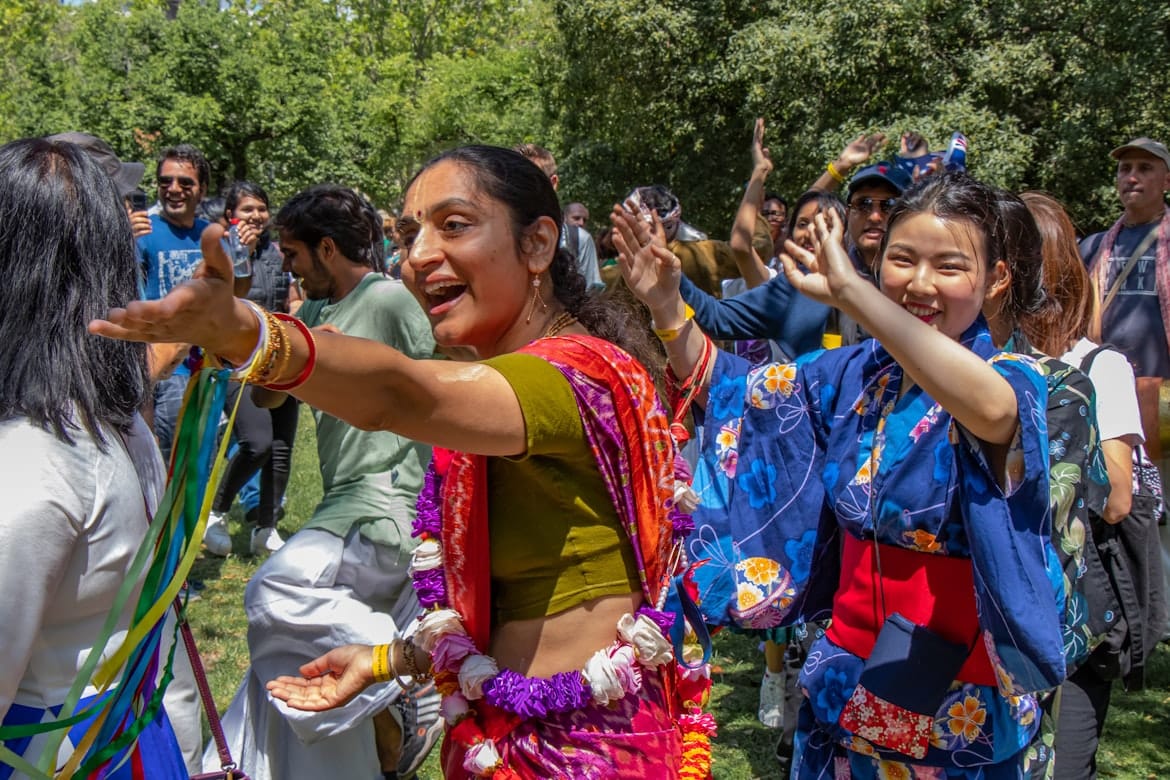
Celebrating Cultural Traditions
Communities become richer when cultural traditions are shared and appreciated.
Examples include:
- Food festivals
- Traditional music
- Art exhibitions
- Cultural performances
- Holiday celebrations
- Community events
These experiences help preserve heritage while bringing people together through shared appreciation.
Looking Toward the Future
As societies become increasingly connected, cultural diversity will continue shaping education, business, technology, and everyday life.
Future communities will benefit from:
- Greater global collaboration
- Cross-cultural learning
- Inclusive leadership
- International partnerships
- Shared innovation
- Stronger social connections
Respecting diversity will remain one of the most valuable strengths of modern society.
Final Thoughts
Cultural diversity enriches communities by bringing together unique experiences, ideas, and traditions that encourage learning and innovation. By embracing inclusion, respecting different perspectives, and celebrating cultural heritage, societies become stronger, more creative, and more resilient. In an increasingly interconnected world, diversity is not simply something to recognize—it is a powerful force that helps communities grow, thrive, and build a more inclusive future for everyone.