
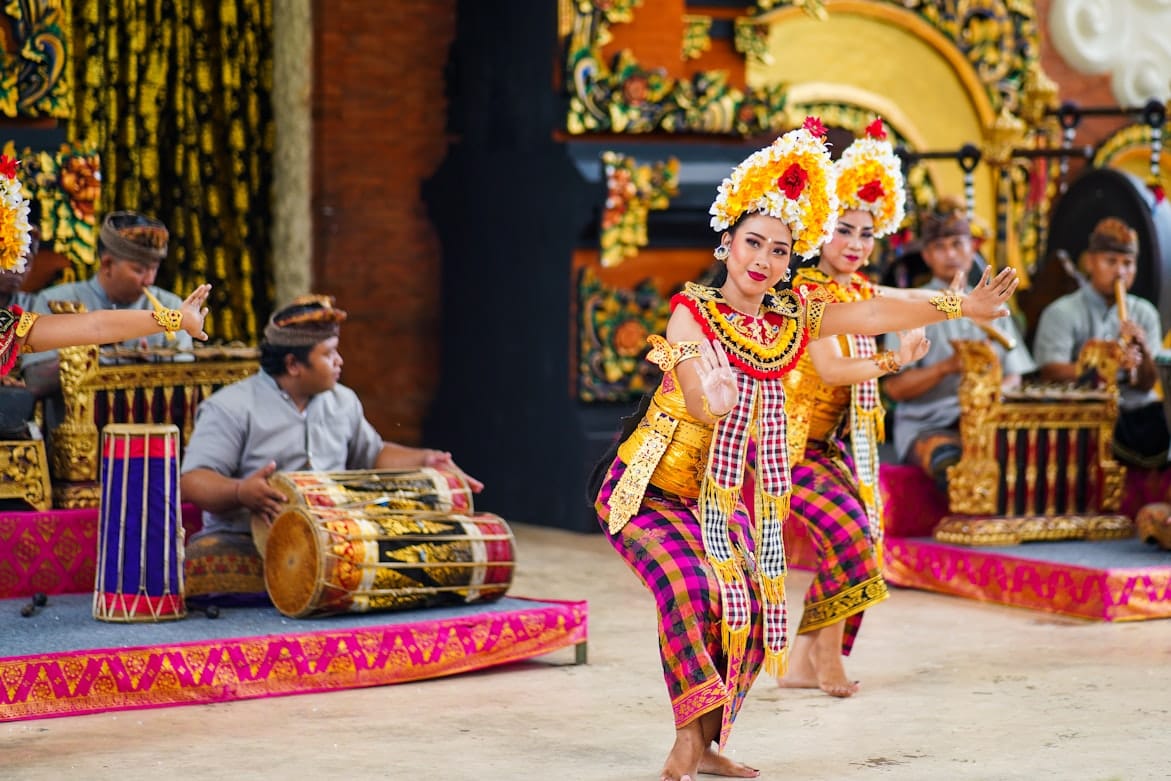
Balancing Progress and Heritage
The world is changing at an extraordinary pace. New technologies, digital communication, and global connectivity have transformed how people work, learn, and interact. While innovation has created countless opportunities, it has also raised an important question: How do we preserve our cultural traditions in a rapidly evolving world?
Traditions connect us to our history, shape our identities, and strengthen communities. They remind us of where we came from while providing values and customs that can be passed from one generation to the next. Preserving these traditions doesn't mean resisting progress—it means ensuring that cultural heritage continues to thrive alongside modern innovation.
Why Traditions Matter
Traditions are more than celebrations or ceremonies. They reflect the stories, beliefs, and experiences that define communities.
They help us:
- Preserve cultural identity
- Strengthen family bonds
- Celebrate shared values
- Pass knowledge between generations
- Build community pride
- Maintain historical continuity
Every tradition carries a story that deserves to be remembered.
The Impact of Modern Technology
Technology has changed how cultures are documented and shared.
Today, communities can:
- Digitize historical records
- Archive photographs
- Record oral histories
- Share cultural events online
- Teach traditional skills through videos
- Connect global audiences
Digital tools make cultural preservation more accessible than ever before.
Keeping Traditional Arts Alive
Many traditional art forms continue to inspire modern creators.
Communities preserve creative heritage through:
- Handcrafted textiles
- Pottery
- Woodworking
- Folk music
- Traditional dance
- Local painting styles
Supporting local artisans helps ensure these valuable skills continue to flourish.
The Role of Festivals
Cultural festivals remain one of the most effective ways to celebrate heritage.
These events often feature:
- Traditional music
- Regional cuisine
- Historical performances
- Local crafts
- Storytelling
- Community gatherings
Festivals provide opportunities for younger generations to experience traditions firsthand.
Education Preserves Culture
Schools, museums, and cultural organizations play an important role in protecting heritage.
Educational efforts include:
- Teaching local history
- Language preservation
- Cultural exchange programs
- Historical exhibitions
- Traditional craft workshops
- Community storytelling projects
Learning about the past helps people appreciate the significance of their cultural roots.
Innovation and Tradition Can Coexist
Innovation doesn't have to replace tradition.
Instead, modern technology can help preserve cultural heritage by:
- Creating digital archives
- Offering virtual museum tours
- Promoting cultural tourism
- Supporting artisans through online marketplaces
- Sharing educational content
- Connecting global communities
Technology becomes a valuable tool when used to protect rather than replace cultural identity.
The Responsibility of Every Generation
Preserving traditions is not only the responsibility of historians or cultural institutions.
Individuals can contribute by:
- Learning family history
- Supporting local artists
- Attending cultural events
- Passing traditions to children
- Protecting historical sites
- Respecting cultural diversity
Small actions help keep traditions alive for future generations.
Looking Toward the Future
As societies continue to evolve, cultural preservation will become increasingly important.
Future efforts will likely focus on:
- Digital heritage preservation
- Artificial intelligence for historical archiving
- Interactive museum experiences
- Cultural education through technology
- Global collaboration
- Sustainable heritage conservation
These initiatives can help ensure that cultural traditions remain relevant in the digital age.
Final Thoughts
Innovation and tradition are not opposing forces—they are complementary parts of human progress. While technology continues to transform society, cultural heritage provides the stories, values, and identities that connect generations. By embracing innovation while protecting traditions, communities can preserve their unique history without limiting future growth. A society that remembers its past is better prepared to build a meaningful and inclusive future.