
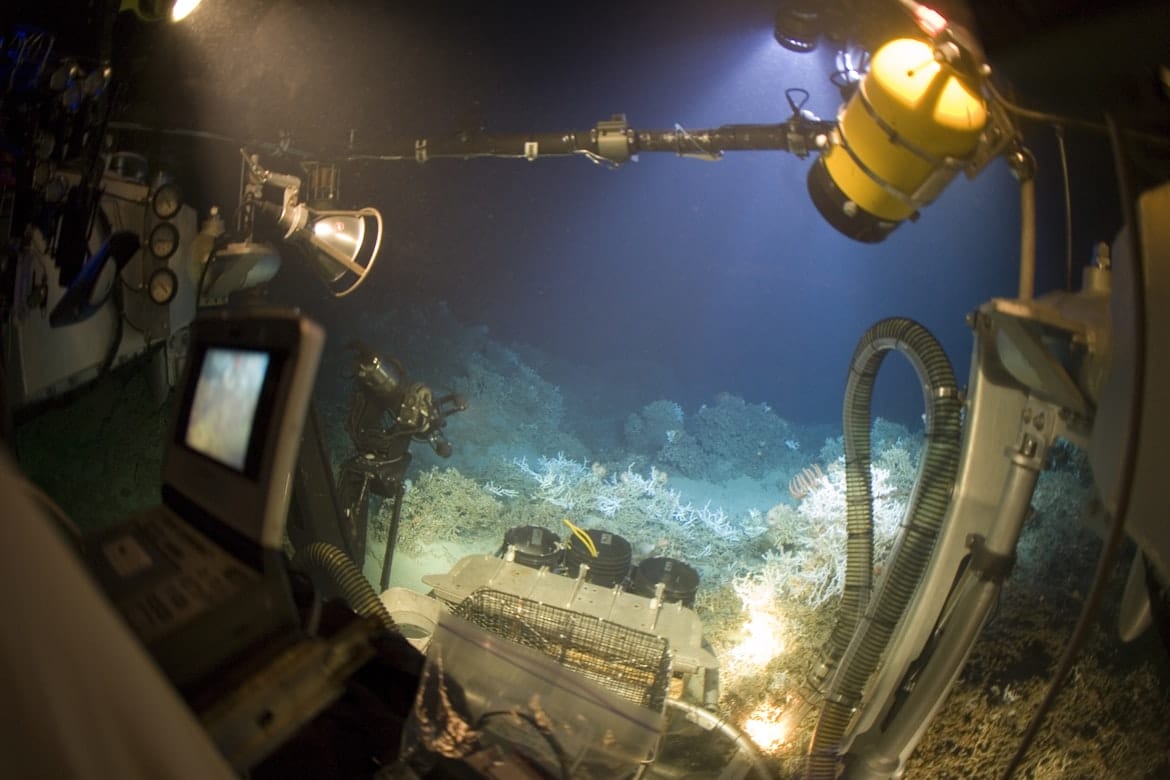
Earth's Final Frontier
When people think about exploration, they often imagine astronauts traveling through space. However, one of the greatest frontiers still exists here on Earth—the deep ocean. Covering more than 70% of the planet's surface, the oceans play a vital role in regulating climate, supporting biodiversity, and sustaining life. Yet much of the deep sea remains largely unexplored due to its extreme conditions.
Scientists estimate that vast portions of the ocean floor have never been directly observed by humans. Every expedition reveals new species, unique ecosystems, and geological formations that continue to reshape our understanding of life beneath the waves.
Why the Deep Ocean Is So Difficult to Explore
Exploring the deep sea is far more challenging than many people realize.
Researchers must overcome conditions such as:
- Extreme water pressure
- Near-freezing temperatures
- Complete darkness
- Strong underwater currents
- Limited communication
- Difficult access
These harsh environments require specially designed equipment capable of operating thousands of meters below the surface.
Technologies Transforming Ocean Exploration
Modern engineering has revolutionized marine research by allowing scientists to reach previously inaccessible depths.
Today's exploration tools include:
- Remotely operated vehicles (ROVs)
- Autonomous underwater vehicles (AUVs)
- Deep-sea submarines
- Sonar mapping systems
- Underwater drones
- High-resolution imaging technology
These innovations enable researchers to collect samples, capture detailed images, and map the ocean floor with remarkable accuracy.
Discovering New Marine Life
Every deep-sea expedition has the potential to uncover species never seen before.
Scientists continue discovering:
- Bioluminescent fish
- Giant deep-sea squid
- Colorful coral ecosystems
- Hydrothermal vent organisms
- Rare crustaceans
- Unique microorganisms
Many of these species have adapted to survive under conditions that would be impossible for most forms of life.
Hydrothermal Vents: Life Without Sunlight
One of the most fascinating discoveries in marine science is the existence of hydrothermal vent ecosystems.
Unlike most life on Earth, these organisms do not depend on sunlight.
Instead, they survive using chemical energy released from the Earth's interior.
Hydrothermal vents support remarkable communities including:
- Tube worms
- Giant clams
- Deep-sea shrimp
- Specialized bacteria
- Crabs
- Marine snails
These ecosystems have transformed scientists' understanding of how life can exist in extreme environments.
Why Healthy Oceans Matter
The oceans influence nearly every aspect of life on Earth.
They help:
- Regulate global climate
- Produce oxygen
- Store carbon dioxide
- Support fisheries
- Protect coastlines
- Maintain biodiversity
Healthy marine ecosystems are essential for environmental stability and human well-being.
Challenges Facing the Deep Ocean
Although the deep sea feels remote, human activities increasingly affect marine environments.
Major concerns include:
- Plastic pollution
- Climate change
- Ocean acidification
- Deep-sea mining
- Overfishing
- Habitat destruction
Scientists continue studying these threats to better understand their long-term impact on ocean ecosystems.
International Marine Research
Ocean exploration is a global scientific effort involving researchers, governments, and environmental organizations.
International collaboration supports:
- Biodiversity conservation
- Marine mapping
- Climate research
- Fisheries management
- Disaster monitoring
- Scientific data sharing
Working together allows scientists to better understand and protect the world's oceans.
The Future of Ocean Exploration
Rapid technological advancements are opening exciting new possibilities for marine science.
Future developments may include:
- AI-powered underwater robots
- Longer autonomous missions
- Advanced deep-sea sensors
- Improved ocean mapping
- Real-time environmental monitoring
- Sustainable marine research technologies
These innovations will help scientists explore greater depths while minimizing environmental impact.
Final Thoughts
The deep ocean remains one of Earth's greatest mysteries, offering endless opportunities for scientific discovery. From extraordinary marine life and underwater volcanoes to unexplored ecosystems hidden beneath kilometers of water, every expedition expands our understanding of the natural world. As technology continues to evolve, deep ocean exploration will play an increasingly important role in protecting marine ecosystems, advancing scientific knowledge, and revealing the remarkable secrets that still lie beneath the surface of our planet's oceans.