
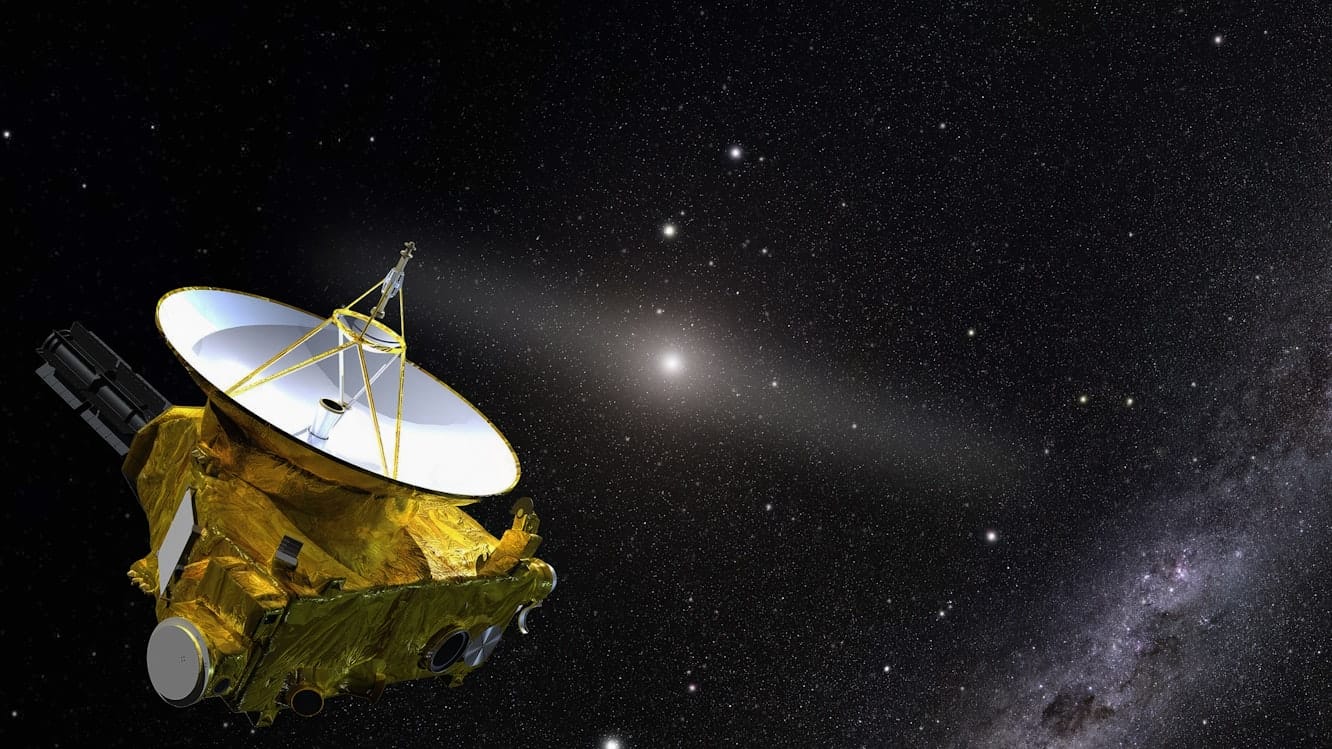
A New Era of Space Exploration
For centuries, humanity has looked toward the stars with curiosity and wonder. Today, space exploration is no longer limited to scientific imagination—it has become one of the most ambitious fields of modern research and innovation. Governments, private companies, and international space agencies are working together to explore distant planets, study the universe, and develop technologies that could shape the future of civilization.
Every successful mission provides valuable insights into our solar system while advancing technologies that improve life here on Earth. From communication satellites to weather forecasting and GPS navigation, many everyday conveniences are the result of decades of space research.
Why Space Exploration Matters
Exploring space is about much more than reaching distant planets. It helps scientists answer fundamental questions about the origins of the universe, the evolution of planets, and the possibility of life beyond Earth.
Space research contributes to:
- Scientific discovery
- Technological innovation
- Global communication
- Climate monitoring
- Disaster prediction
- International collaboration
The knowledge gained through space exploration benefits nearly every aspect of modern society.
Modern Space Missions
Recent years have marked an exciting period for space exploration.
Scientists are conducting missions to:
- Explore Mars
- Study the Moon
- Observe distant galaxies
- Search for habitable planets
- Monitor Earth's climate
- Investigate asteroids and comets
Each mission expands our understanding of the universe while providing new opportunities for future exploration.
Technology Developed for Space
Many technologies originally created for space missions now improve everyday life.
Examples include:
- Satellite navigation (GPS)
- Advanced medical imaging
- Water purification systems
- Lightweight materials
- Wireless communication
- Weather forecasting technology
These innovations demonstrate how investment in science often produces unexpected benefits for society.
The Search for Life Beyond Earth
One of the most fascinating goals of modern astronomy is determining whether life exists elsewhere in the universe.
Scientists search for evidence by studying:
- Earth-like planets
- Atmospheric composition
- Water availability
- Organic molecules
- Ice-covered moons
- Habitable zones around stars
Although no confirmed evidence has been found, ongoing discoveries continue to fuel scientific curiosity and future missions.
Private Companies Are Changing Space Exploration
Space exploration is no longer driven solely by government agencies.
Private aerospace companies are accelerating innovation by developing:
- Reusable rockets
- Commercial satellites
- Space tourism
- Lunar landing systems
- Deep-space transportation
- Advanced spacecraft technologies
Competition and collaboration are making space missions more affordable and more frequent than ever before.
International Collaboration
Space exploration has become a global effort involving scientists and engineers from many countries.
International partnerships support:
- Scientific research
- Satellite development
- Space station operations
- Planetary exploration
- Technology sharing
- Educational programs
Working together allows nations to accomplish missions that would be difficult to achieve independently.
Challenges of Exploring Space
Despite incredible progress, space exploration remains one of humanity's greatest engineering challenges.
Major obstacles include:
- Extreme temperatures
- Radiation exposure
- Long travel distances
- Limited resources
- High mission costs
- Communication delays
Scientists continue developing new technologies to overcome these challenges and enable future missions.
The Future of Space Exploration
The coming decades promise exciting advancements that could transform our understanding of the universe.
Future possibilities include:
- Permanent lunar bases
- Human missions to Mars
- Advanced space telescopes
- Asteroid mining
- Space-based manufacturing
- Deep-space exploration beyond our solar system
These ambitious goals may seem extraordinary today but could become reality through continued scientific innovation.
Inspiring Future Generations
Space exploration inspires millions of students to pursue careers in science, engineering, technology, and mathematics.
By encouraging curiosity and innovation, space missions motivate future generations to solve some of humanity's greatest challenges. Every discovery reminds us that exploration has always been a driving force behind human progress.
The pursuit of knowledge beyond Earth continues to unite people across cultures and nations with a shared desire to understand our place in the universe.
Final Thoughts
Space exploration represents one of humanity's greatest achievements, combining science, engineering, and imagination to push the boundaries of what is possible. Beyond discovering distant worlds, space research improves life on Earth through technological innovation, environmental monitoring, and scientific advancement. As new missions continue to explore the Moon, Mars, and beyond, our journey into space will undoubtedly shape the future of humanity and deepen our understanding of the vast universe we call home.