
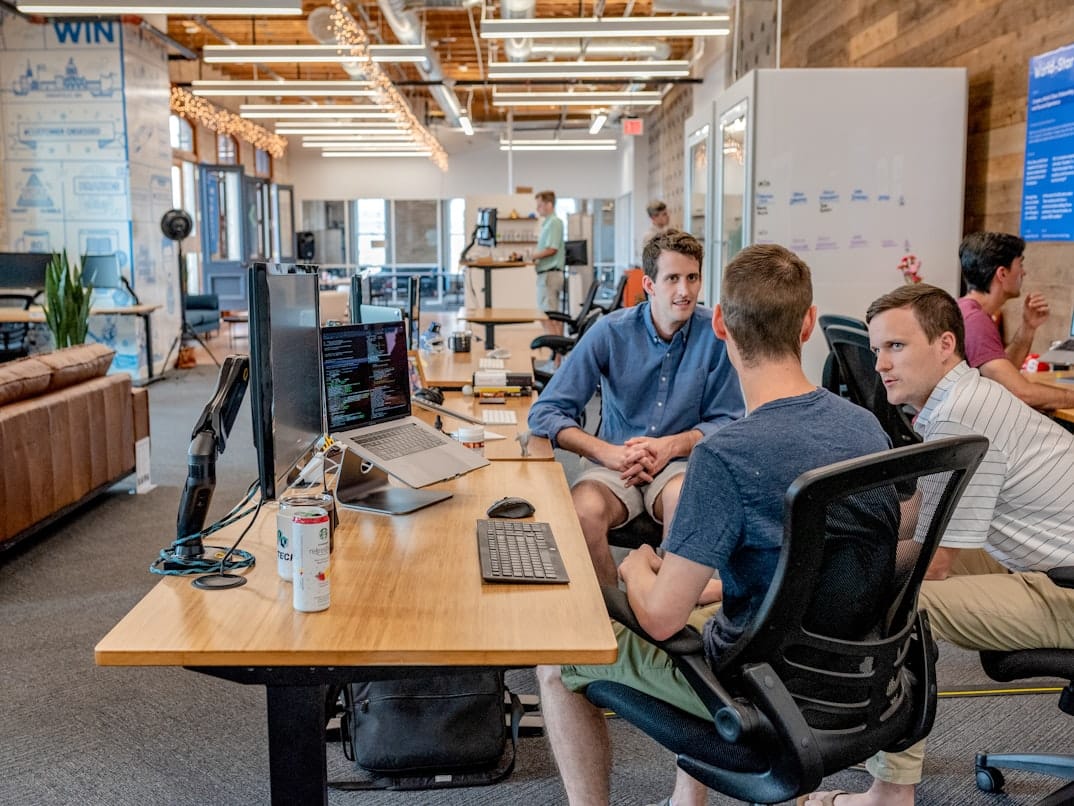
The Rise of Hybrid Work
The workplace has undergone one of the biggest transformations in recent history. Advances in technology, combined with changing employee expectations, have accelerated the adoption of hybrid work models. Instead of choosing between working entirely from home or exclusively from the office, many organizations now offer employees the flexibility to split their time between both environments.
This approach is redefining how businesses operate, collaborate, and attract top talent. Hybrid work is no longer a temporary solution—it has become a long-term strategy for companies that value flexibility, productivity, and employee satisfaction.
What Is a Hybrid Workplace?
A hybrid workplace combines remote work with traditional office attendance. Employees have the freedom to work from home, coworking spaces, or the office depending on their responsibilities and company policies.
Common hybrid models include:
- Fixed office days each week
- Flexible work schedules
- Remote-first organizations
- Team-based office collaboration days
- Location-independent work policies
Every company designs its hybrid strategy based on its culture and operational needs.
Why Businesses Are Embracing Hybrid Work
Organizations are discovering that flexibility benefits both employees and employers.
Increased Productivity
Many professionals report being more productive when they can choose the environment best suited for focused work.
Without lengthy commutes and constant office interruptions, employees often complete tasks more efficiently.
Better Employee Satisfaction
Flexible work arrangements improve work-life balance by giving employees greater control over their schedules.
Benefits include:
- Reduced commuting time
- Lower travel expenses
- Improved personal well-being
- Better family balance
- Greater job satisfaction
Employees who feel trusted are often more engaged and motivated.
Technology Makes Hybrid Work Possible
Modern collaboration tools have made remote teamwork seamless.
Businesses now rely on cloud-based platforms that allow employees to communicate and collaborate regardless of location.
Essential workplace technologies include:
- Video conferencing software
- Cloud storage platforms
- Team messaging applications
- Project management tools
- Digital whiteboards
- Online document collaboration
These solutions help distributed teams stay connected and productive.
Challenges of Hybrid Work
Although hybrid work offers many advantages, it also introduces new challenges.
Communication Gaps
When teams work from different locations, important conversations can sometimes be missed.
Companies can reduce communication issues by:
- Holding regular team meetings
- Documenting important decisions
- Using shared project management systems
- Encouraging transparent communication
Consistency becomes more important than physical presence.
Maintaining Company Culture
Building relationships is often easier when people work together in person.
Organizations now invest in:
- Team-building activities
- Virtual social events
- Quarterly office meetups
- Employee recognition programs
- Collaborative workshops
Strong company culture requires intentional effort in a hybrid environment.
Leadership in a Hybrid World
Managers are adapting their leadership styles to support distributed teams.
Successful hybrid leaders focus on:
- Clear communication
- Trust instead of micromanagement
- Outcome-based performance
- Employee well-being
- Regular feedback
- Continuous learning
Leadership today is less about monitoring hours and more about enabling success.
Designing Better Workspaces
As hybrid work grows, office spaces are changing too.
Rather than rows of assigned desks, modern offices now prioritize collaboration and creativity.
Popular workplace features include:
- Shared collaboration zones
- Quiet focus rooms
- Flexible seating
- Video conference booths
- Innovation spaces
- Wellness areas
The office is becoming a destination for teamwork rather than a place for routine individual tasks.
Skills Needed for the Future Workplace
Professionals who thrive in hybrid environments develop both technical and interpersonal skills.
Key skills include:
Digital Communication
Clear written and verbal communication helps remote teams stay aligned.
Time Management
Managing priorities independently is essential when working outside a traditional office.
Adaptability
Technology and workplace expectations continue to evolve, making flexibility an important career advantage.
Collaboration
Working effectively across different locations, cultures, and time zones has become a valuable professional skill.
What the Future Looks Like
Hybrid work is expected to become even more sophisticated as technology advances.
Emerging trends include:
- AI-powered meeting assistants
- Virtual reality collaboration
- Smart office automation
- Flexible global hiring
- Personalized workspaces
- Four-day workweek experiments
Organizations will continue balancing flexibility with meaningful in-person collaboration.
Final Thoughts
Hybrid work has fundamentally changed how organizations think about productivity, collaboration, and employee experience. By combining the flexibility of remote work with the benefits of face-to-face interaction, businesses are creating workplaces that are more adaptable, inclusive, and resilient. Companies that embrace this evolution will be better positioned to attract talent, foster innovation, and succeed in the future of work.