
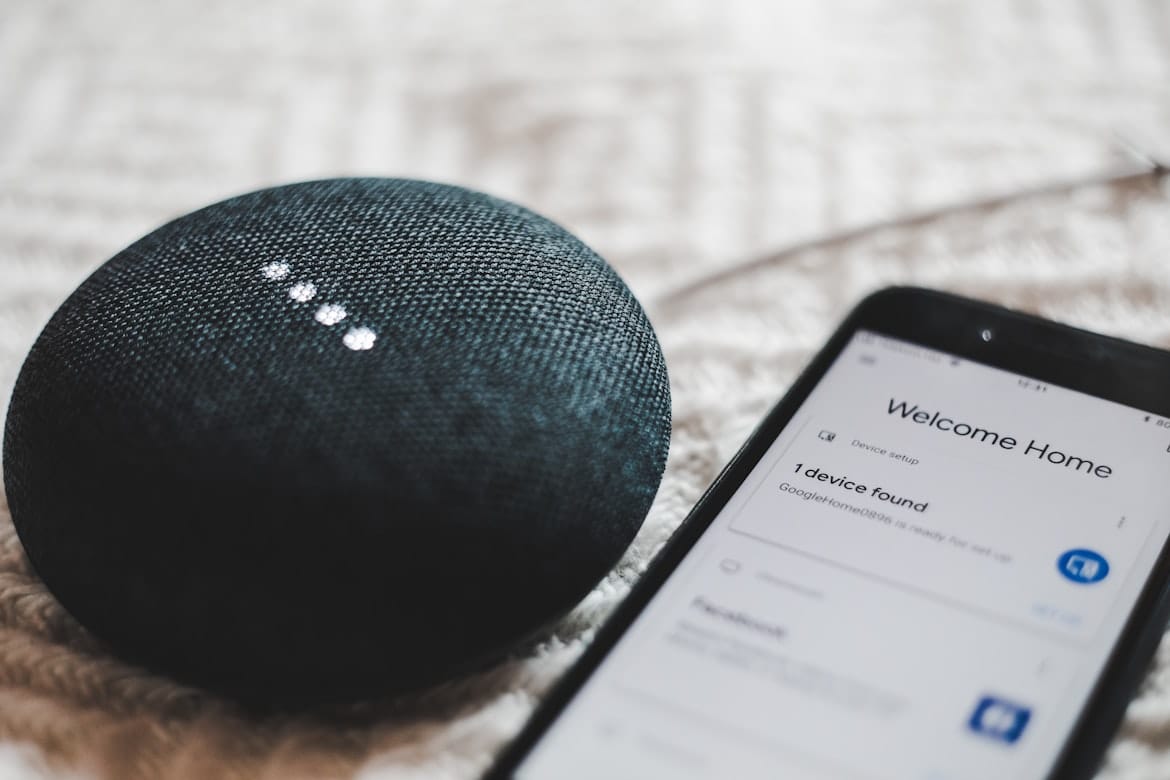
The concept of a smart home has evolved from a luxury feature into an everyday reality. Thanks to affordable connected devices and faster internet, homeowners can now control lighting, security, entertainment, and appliances with a smartphone or voice command. Smart technology is simplifying daily routines while creating homes that are safer, more energy-efficient, and more comfortable.
Whether you're building a new home or upgrading your current one, smart devices can improve convenience without requiring a complete renovation.
What Is a Smart Home?
A smart home uses internet-connected devices that communicate with each other to automate household tasks. These devices can be controlled remotely through mobile apps, voice assistants, or scheduled routines.
Common smart home devices include:
- Smart lighting
- Smart thermostats
- Security cameras
- Video doorbells
- Smart locks
- Robot vacuum cleaners
- Smart speakers
- Connected kitchen appliances
Together, these products create an ecosystem designed to make everyday living easier.
Why Homeowners Are Embracing Smart Technology
Smart homes offer much more than convenience. They help improve security, reduce energy consumption, and simplify household management.
Greater Convenience
Daily tasks become effortless when devices work together automatically.
For example, your lights can switch on when you enter a room, the thermostat can adjust before you wake up, and your coffee machine can start brewing at the same scheduled time every morning.
This level of automation saves time while creating a personalized living experience.
Improved Home Security
Security has become one of the biggest reasons people invest in smart technology.
Modern systems allow homeowners to:
- Monitor live camera feeds
- Receive instant motion alerts
- Lock or unlock doors remotely
- View visitors through video doorbells
- Activate alarms from anywhere
Even while traveling, homeowners remain connected to their property through mobile applications.
Energy Efficiency Matters
One of the biggest advantages of smart homes is reducing unnecessary energy consumption.
Smart thermostats learn household routines and automatically optimize heating or cooling schedules. Intelligent lighting systems switch off when rooms are empty, while smart plugs help eliminate standby power usage.
These small adjustments can significantly lower electricity bills over time.
Popular Energy-Saving Features
- Automated lighting schedules
- Smart thermostats
- Motion sensors
- Energy monitoring plugs
- Automated window blinds
- Appliance scheduling
Many homeowners find that energy savings gradually offset the initial investment.
Voice Assistants Make Everything Easier
Voice assistants have become the central hub of many smart homes.
Instead of using multiple apps, users can simply ask a voice assistant to perform several actions at once.
Examples include:
- Turn off every light
- Lock all doors
- Play relaxing music
- Check today's weather
- Start the robot vacuum
- Adjust room temperature
Natural voice interaction makes technology accessible for children and older family members alike.
Smart Entertainment Is Becoming Standard
Entertainment systems have also become more intelligent.
Modern households can synchronize televisions, speakers, lighting, and streaming services into a single automated experience.
Imagine starting a movie night where one voice command automatically:
- Dims the lights
- Closes the smart blinds
- Turns on the television
- Starts your favorite streaming platform
- Adjusts speaker volume
These small automations create a more immersive entertainment experience.
Challenges to Consider
Although smart homes provide numerous benefits, there are still important considerations before investing.
Privacy
Connected devices collect data to improve functionality. Homeowners should understand what information is stored and choose trusted manufacturers with strong privacy policies.
Cybersecurity
Internet-connected devices should always be protected.
Good security practices include:
- Using strong passwords
- Enabling two-factor authentication
- Updating firmware regularly
- Securing Wi-Fi networks
- Purchasing devices from reputable brands
A secure network is essential for protecting connected homes.
The Future of Smart Living
Artificial intelligence is making smart homes even more intelligent. Future systems will better understand daily routines, automatically adjust settings, and anticipate household needs without requiring manual input.
Homes may soon optimize energy consumption based on electricity prices, monitor appliance health before failures occur, and personalize every room according to individual preferences.
As technology continues to evolve, smart homes will become more adaptive, sustainable, and responsive to everyday life.
Final Thoughts
Smart home technology is no longer a futuristic concept—it's becoming part of everyday living. By combining automation, security, energy efficiency, and convenience, connected homes are helping people save time, reduce costs, and enjoy a more comfortable lifestyle. As innovation continues, smart living will become increasingly accessible for households around the world.