
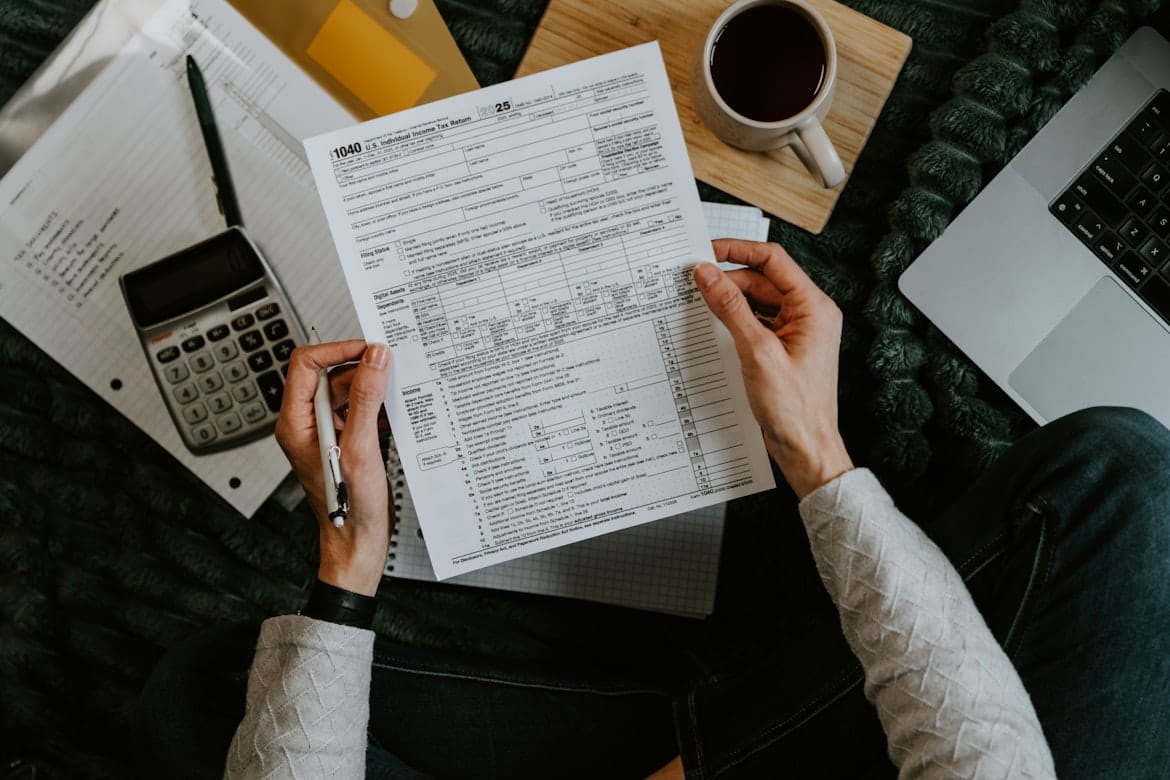
Why Personal Finance Matters
Personal finance is one of the most important life skills, yet many people begin managing money without formal financial education. Whether you're starting your career, running a business, or planning for retirement, understanding how money works can help you make informed decisions and achieve long-term financial stability.
Good financial habits are built through consistent choices rather than large incomes. Learning to budget, save, invest, and spend wisely allows you to prepare for unexpected expenses while working toward future goals.
Financial success isn't about earning the most—it's about managing what you have effectively.
Understanding Personal Finance
Personal finance refers to the way individuals manage their income, expenses, savings, investments, and financial goals.
It includes:
- Budgeting
- Saving money
- Managing debt
- Investing
- Retirement planning
- Financial protection
Each of these areas plays an important role in building long-term financial security.
Create a Monthly Budget
A budget is the foundation of good financial management.
Start by tracking:
- Monthly income
- Housing expenses
- Food costs
- Transportation
- Utilities
- Entertainment
- Savings
- Other recurring expenses
Knowing exactly where your money goes makes it easier to identify opportunities to save.
Build an Emergency Fund
Unexpected expenses can happen at any time.
An emergency fund helps cover situations such as:
- Medical emergencies
- Vehicle repairs
- Home maintenance
- Temporary job loss
- Family emergencies
- Unexpected travel
Setting aside a small amount each month gradually creates a financial safety net and reduces stress during difficult situations.
Spend Intentionally
Every purchase should support your financial priorities.
Before making major purchases, ask yourself:
- Do I really need this?
- Will I use it regularly?
- Can I afford it comfortably?
- Does it align with my financial goals?
Mindful spending helps prevent unnecessary debt and encourages better financial decisions.
Understand the Importance of Saving
Saving isn't only for large purchases—it creates flexibility and peace of mind.
Savings can help with:
- Emergency expenses
- Vacations
- Education
- Home purchases
- Retirement
- Business opportunities
Developing a regular savings habit, even with small amounts, can make a significant difference over time.
Learn the Basics of Investing
Saving protects your money, while investing provides an opportunity for long-term growth.
Common investment options include:
- Stocks
- Bonds
- Mutual funds
- Exchange-traded funds (ETFs)
- Retirement accounts
- Real estate
Before investing, it's important to understand your financial goals, risk tolerance, and investment timeline.
Avoid Unnecessary Debt
Not all debt is harmful, but unmanaged debt can limit financial freedom.
Healthy financial habits include:
- Paying bills on time
- Avoiding unnecessary borrowing
- Using credit responsibly
- Monitoring loan obligations
- Reducing high-interest debt
- Living within your means
Managing debt responsibly improves both financial stability and peace of mind.
Review Your Financial Progress
Personal finance is an ongoing process rather than a one-time task.
Review your finances regularly by checking:
- Monthly spending
- Savings growth
- Investment performance
- Debt reduction
- Financial goals
- Budget adjustments
Regular reviews help you stay on track while adapting to changes in income and lifestyle.
Build Healthy Financial Habits
Long-term financial success comes from consistency rather than perfection.
Simple habits include:
- Saving before spending
- Tracking expenses
- Planning major purchases
- Investing regularly
- Avoiding impulse buying
- Continuing financial education
Small improvements made consistently often produce remarkable long-term results.
Final Thoughts
Personal finance is about creating a stable foundation for your future through thoughtful planning and responsible decision-making. By learning the basics of budgeting, saving, investing, and managing debt, anyone can build greater financial confidence and reduce money-related stress. The journey toward financial security doesn't require perfection—it begins with small, consistent habits that help you make smarter choices every day and prepare for the opportunities and challenges that lie ahead.