
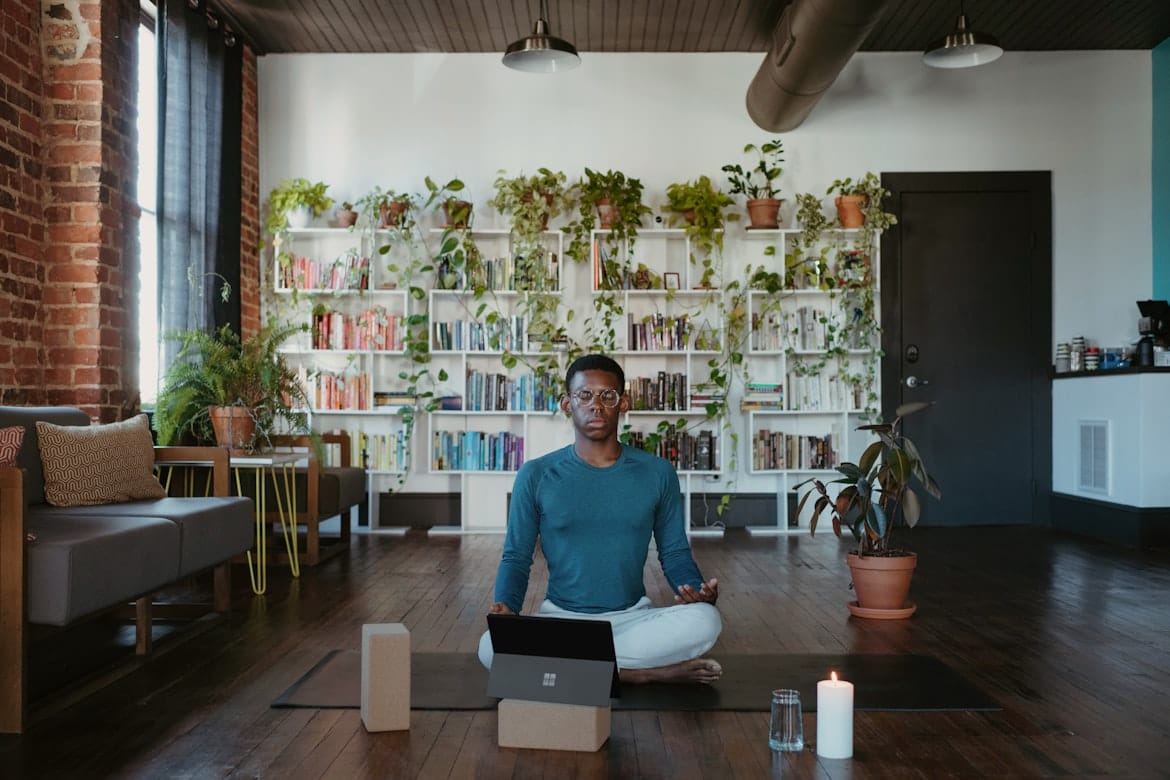
Why Stress Has Become Part of Everyday Life
Modern life moves faster than ever before. Between work responsibilities, social media, emails, deadlines, and constant notifications, it's easy to feel mentally overwhelmed. While a certain amount of stress is a natural response to challenges, ongoing stress can affect both physical and emotional health if left unmanaged.
Learning to manage stress isn't about eliminating every challenge from life—it's about developing healthy habits that help you respond more calmly and maintain balance even during busy periods.
Understanding Stress
Stress is the body's natural reaction to situations that require attention or adaptation.
Short-term stress can help you stay alert and focused, but prolonged stress may contribute to:
- Fatigue
- Difficulty concentrating
- Poor sleep
- Muscle tension
- Mood changes
- Reduced productivity
Recognizing the early signs allows you to take action before stress becomes overwhelming.
Identify Your Stress Triggers
Everyone experiences stress differently.
Common sources include:
- Heavy workloads
- Financial concerns
- Family responsibilities
- Health issues
- Digital overload
- Lack of work-life balance
Understanding your personal triggers is the first step toward managing them effectively.
Limit Digital Overload
Technology keeps us connected, but constant screen time can also increase mental fatigue.
Healthy digital habits include:
- Turning off unnecessary notifications
- Scheduling screen-free breaks
- Avoiding work emails before bedtime
- Limiting social media usage
- Creating technology-free zones at home
- Taking regular breaks from devices
Reducing digital distractions helps improve focus and mental clarity.
Make Time for Physical Activity
Exercise is one of the most effective natural ways to reduce stress.
Regular movement can help:
- Release muscle tension
- Improve mood
- Increase energy
- Support better sleep
- Boost confidence
- Improve overall health
Activities such as walking, yoga, cycling, or swimming can provide both physical and emotional benefits.
Practice Mindfulness
Mindfulness encourages you to focus on the present moment rather than worrying about the future or dwelling on the past.
Simple mindfulness practices include:
- Deep breathing
- Meditation
- Journaling
- Gentle stretching
- Spending time in nature
- Practicing gratitude
Even a few minutes of mindfulness each day can help reduce stress and improve emotional well-being.
Prioritize Quality Sleep
Stress and poor sleep often create a cycle that affects both mental and physical health.
Improve sleep by:
- Following a regular bedtime
- Reducing screen time before sleep
- Creating a relaxing bedroom environment
- Limiting caffeine late in the day
- Maintaining a consistent sleep schedule
- Practicing relaxation techniques
Good sleep strengthens your ability to cope with daily challenges.
Build Healthy Daily Routines
Simple routines create structure and reduce decision fatigue.
Healthy daily habits include:
- Eating balanced meals
- Drinking enough water
- Taking regular breaks
- Setting realistic goals
- Organizing your workspace
- Spending time outdoors
Consistency helps create a greater sense of control during busy periods.
Don't Be Afraid to Ask for Support
Managing stress doesn't mean facing every challenge alone.
Support may come from:
- Family members
- Friends
- Colleagues
- Mentors
- Community groups
- Qualified healthcare professionals
Talking openly about stress can provide new perspectives and practical solutions.
Creating a Healthier Lifestyle
Managing stress is an ongoing process rather than a one-time solution.
Focus on habits that support long-term well-being:
- Maintain work-life balance
- Stay physically active
- Practice mindfulness
- Build healthy relationships
- Limit unnecessary commitments
- Make time for activities you enjoy
Small lifestyle changes often have the greatest long-term impact.
Final Thoughts
Stress is a natural part of life, but it doesn't have to control your well-being. By developing healthy routines, managing digital distractions, staying active, prioritizing sleep, and practicing mindfulness, you can build greater resilience and maintain a healthier balance. In today's fast-paced world, taking care of your mental health is just as important as caring for your physical health, and even small daily habits can lead to lasting positive change.