
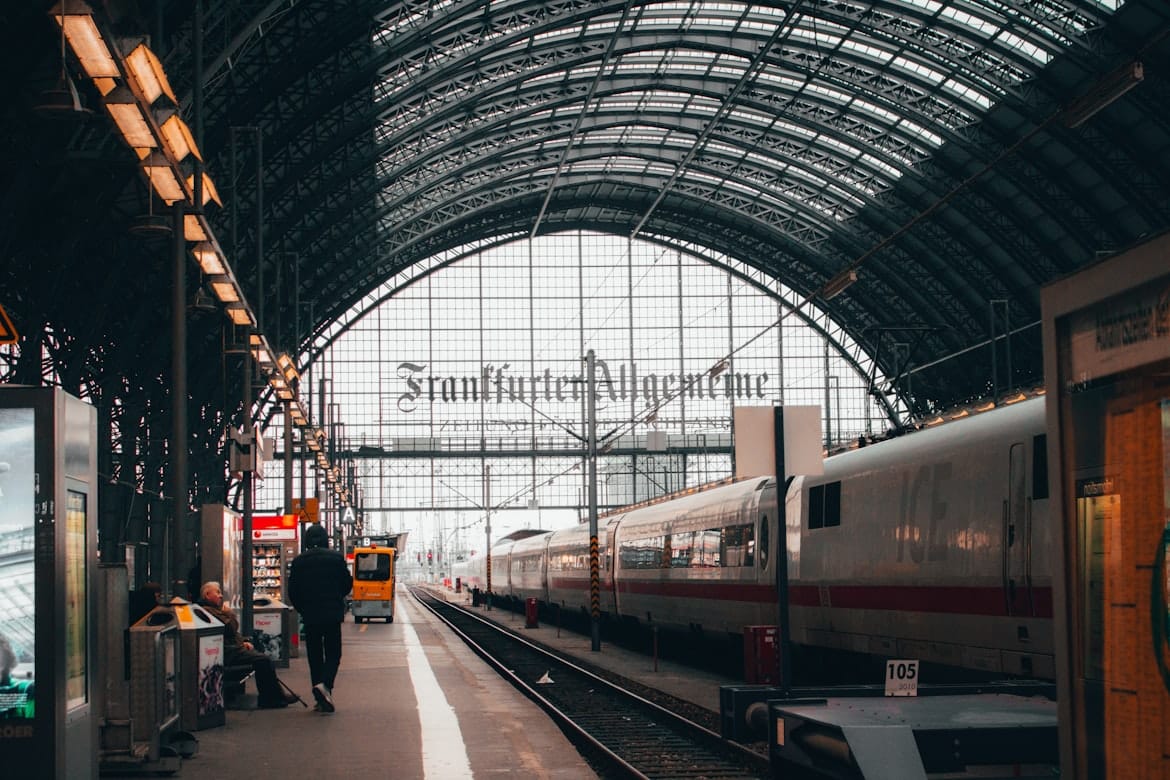
Rethinking the Way We Travel
Modern travel often feels like a race to visit as many destinations as possible in the shortest amount of time. Packed itineraries, early flights, and constant movement can leave travelers feeling exhausted rather than refreshed. Slow travel offers a different approach—one that values meaningful experiences over busy schedules.
Instead of rushing through multiple cities, slow travel encourages spending more time in a single destination. It allows travelers to immerse themselves in local culture, build genuine connections, and appreciate everyday moments that are often overlooked.
What Is Slow Travel?
Slow travel is a mindset rather than a strict travel style. It focuses on quality over quantity by encouraging travelers to experience destinations at a relaxed pace.
Instead of checking famous landmarks off a list, slow travelers choose to:
- Stay longer in one location
- Support local businesses
- Explore neighborhoods on foot
- Experience local traditions
- Learn about regional culture
- Travel with flexibility
The goal is to experience a place rather than simply visit it.
Benefits of Slowing Down
Choosing a slower pace offers many rewards beyond relaxation.
Build Authentic Connections
Spending more time in one destination creates opportunities to interact with local communities.
Simple experiences such as chatting with café owners, shopping at neighborhood markets, or attending community events often become the most memorable parts of a journey.
Reduce Travel Stress
Constant transportation, hotel check-ins, and tight schedules can quickly become overwhelming.
Slow travel allows you to:
- Enjoy flexible schedules
- Avoid unnecessary rushing
- Spend more time relaxing
- Appreciate your surroundings
- Focus on meaningful experiences
Travel becomes enjoyable rather than exhausting.
Discover Places Beyond Tourist Attractions
When you spend several days in one destination, you naturally move beyond the famous attractions.
You'll discover:
- Hidden cafés
- Quiet parks
- Local bookstores
- Family-owned restaurants
- Scenic walking trails
- Community markets
These everyday places often provide a more authentic understanding of local life than major tourist sites.
Support Local Communities
Slow travel has a positive economic impact because travelers spend more time supporting independent businesses.
Consider choosing:
- Boutique hotels
- Family-run guesthouses
- Local restaurants
- Artisan shops
- Farmers' markets
- Community tours
Every purchase helps strengthen local economies while creating more personal travel experiences.
Travel More Sustainably
Slow travel also reduces your environmental footprint.
Instead of taking multiple short flights, many travelers choose slower forms of transportation such as trains, buses, bicycles, or walking.
Sustainable travel habits include:
- Using public transportation
- Carrying reusable water bottles
- Reducing plastic waste
- Respecting wildlife
- Staying in eco-friendly accommodations
- Supporting conservation efforts
Small decisions can collectively make a significant difference.
Capture Memories Beyond Photos
Photography is an important part of travel, but meaningful experiences often happen when the camera is put away.
Take time to:
- Watch a local sunset
- Enjoy traditional music
- Taste regional cuisine
- Observe daily life
- Read in a local park
- Explore without a destination
These quiet moments often become the memories that last the longest.
Planning a Slow Travel Experience
A successful slow trip doesn't require complicated planning.
Keep these tips in mind:
Choose Fewer Destinations
Spend four to seven days in one location instead of visiting several cities in a week.
Stay Flexible
Leave room in your itinerary for spontaneous discoveries.
Walk Whenever Possible
Walking allows you to notice architecture, local businesses, and neighborhood life that you might otherwise miss.
Learn Local Customs
Understanding local etiquette helps create respectful and enjoyable interactions with residents.
Why Slow Travel Is Growing in Popularity
Many travelers are beginning to value experiences over sightseeing.
People increasingly seek:
- Authentic cultural immersion
- Better work-life balance
- Wellness-focused vacations
- Sustainable tourism
- Meaningful human connections
- Less crowded destinations
Slow travel aligns perfectly with these changing priorities.
Final Thoughts
Slow travel reminds us that the best journeys aren't measured by the number of places visited but by the depth of the experiences we create. By staying longer, embracing local culture, and traveling more mindfully, every destination becomes richer, more memorable, and more rewarding. Sometimes, slowing down is the fastest way to truly discover the world.